Strawberry Skin (Keratosis Pilaris): What Actually Works
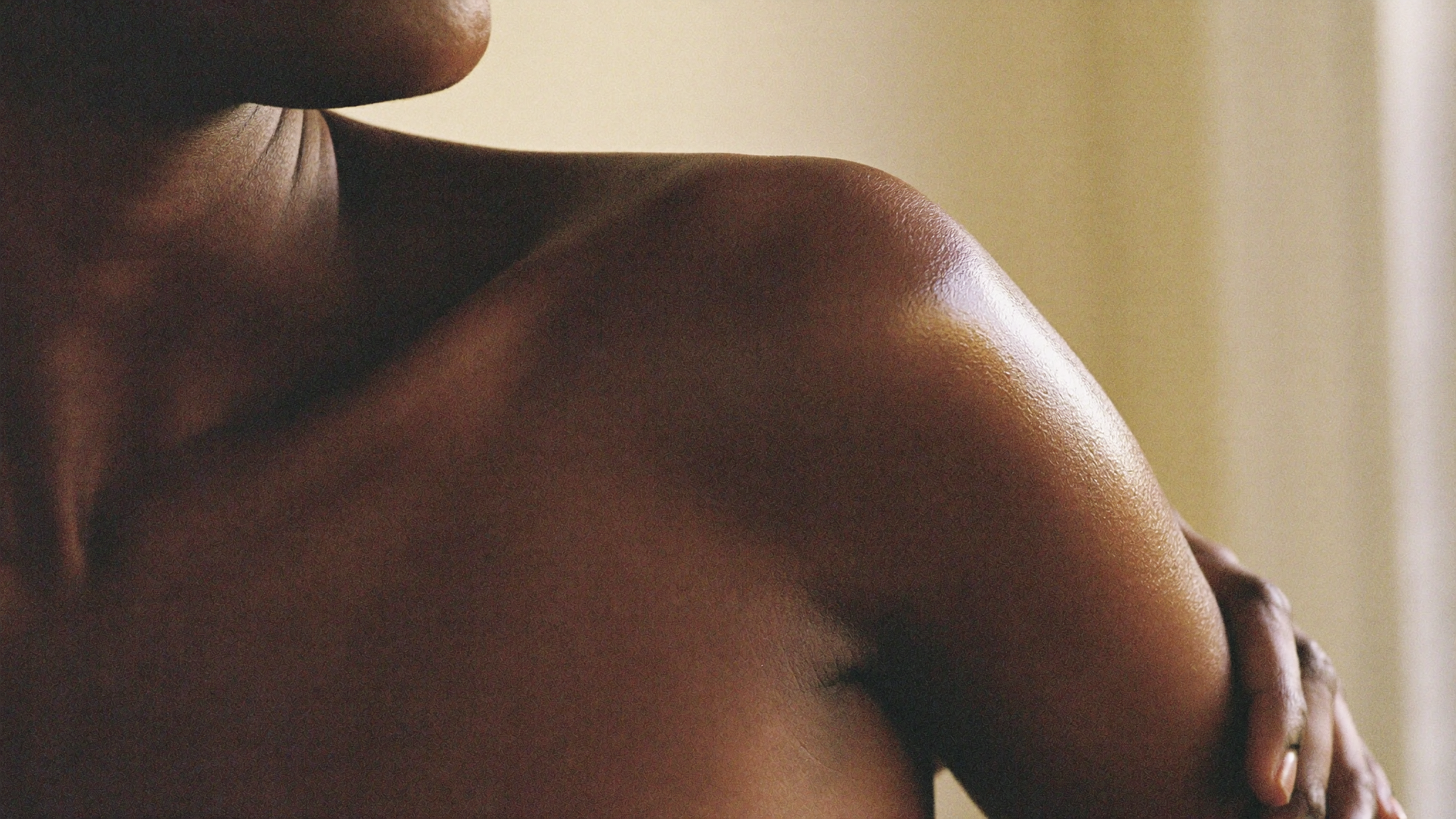
Keratosis Pilaris: What Actually Works (and What Doesn’t)
The little bumps on your upper arms, thighs, and cheeks are keratosis pilaris — KP for short. It’s genetic, it’s structural, and it can’t be cured. But it absolutely can be managed. Here’s what works, what doesn’t, and why your $30 scrub probably failed you.
Shop the KP ProtocolKP isn’t “dry skin.” It’s structural.
Keratosis pilaris is a buildup of keratin (the protein your skin makes) plugging the tops of your hair follicles. Each plug creates a tiny bump. Most people have them on the backs of upper arms, fronts of thighs, glutes, and sometimes cheeks. The bumps can be skin-colored, red, or — on melanin-rich skin — darker than surrounding skin, which is why dermatologists nicknamed it “strawberry skin.”
KP affects roughly 40% of adults globally. It’s genetic. Both parents passing the gene means you’ll likely have it. It often improves in summer (humidity helps), worsens in winter (dry air worsens keratin buildup), and tends to fade with age but never fully disappears.
It’s not dry skin. It’s not eczema. It’s not acne. It’s structural. Which means the protocol has to be structural too.
Why your scrub failed
- Harsh physical scrubs — walnut shell, sugar at high frequency, dry-brushing aggressively. These irritate the follicle without addressing the keratin plug. On melanin-rich skin, the irritation triggers PIH that compounds the bumps with dark marks.
- Plain body lotion — hydrates the surface, doesn’t touch the keratin plug. Helps a little, doesn’t fix anything.
- Tea-tree-oil “remedies” — antimicrobial, not exfoliating. KP isn’t a bacterial issue.
- High-strength glycolic acid alone — can work but routinely irritates, especially on melanin-rich skin where the inflammation triggers post-inflammatory dark spots.
- Coconut oil — occlusive and comedogenic for many. Can worsen follicular buildup.
The two-part protocol
KP management has two simultaneous needs: exfoliate the plug and repair the barrier. Skip either and the protocol fails. Most over-the-counter solutions do one or the other, not both.
The Turimere KP protocol — 3 steps, 2 products:
- 2–3 times per week: Use the Turmeric Luxe Scrub on affected zones in the shower. Gentle pressure — KP doesn’t need scrubbing, it needs consistent gentle exfoliation. Rinse.
- Same nights, post-shower: Apply the Turmeric & Kojic Acid Cleansing Pads to the same zones (the kojic acid helps with the post-inflammatory pigmentation that compounds KP on darker skin).
- Every day, AM and PM: Apply the Turmeric Luxe Brightening Butter generously to KP zones. Niacinamide repairs the barrier; squalane locks in moisture; turmeric calms the underlying inflammation.
Two products, used in rotation. That’s the whole protocol.
The 17-year-old and the postpartum mom
A 17-year-old with KP on her arms who’s sleeveless for prom prep. A 34-year-old mom dealing with KP that flared during pregnancy and won’t calm down four months postpartum. They share zero life context. They share the same Turimere protocol: Scrub 2–3 nights, Pads same nights, Butter daily.
And both can use it during pregnancy or breastfeeding. The whole line is built that way.
What realistic results look like
- Week 2: Skin texture softens. Bumps look less raised. Redness around bumps reduces.
- Week 6: Bumps visibly smaller. Post-inflammatory dark marks start to fade. Skin tone more even.
- Week 12: Most users report bumps reduced 60–80%. KP zones look smooth at arm’s length. Up close, the structural genetic component is still there — but quieter.
- Long term: Maintain with 2x weekly Scrub + daily Butter. Skip the protocol for 4–6 weeks and bumps return. KP is managed, not cured. The compliance is the cure.
Frequently asked questions
Can KP be cured?
No. It’s genetic and structural. But it can be managed indefinitely with consistent protocol. Most users see 60–80% improvement at 12 weeks and maintain it with 2x weekly exfoliation + daily moisturizer.
Should I avoid sun if I have KP?
Moderate sun exposure often improves KP (humidity + warmth). But sun also worsens PIH on melanin-rich skin. Best practice: sunscreen on KP zones during direct exposure, but don’t avoid sunlight entirely — some helps.
Is KP worse on darker skin?
The bumps themselves are equally common across skin tones. But the appearance differs: on melanin-rich skin, the bumps often look darker than surrounding skin (compounded by PIH), making KP more visually noticeable. The protocol works the same; you just see a bigger visual improvement because the PIH fades alongside the bumps.
Can I treat KP during pregnancy?
Yes — the entire Turimere protocol is pregnancy and breastfeeding safe. KP often flares during pregnancy due to hormonal shifts; you can use the Scrub, Pads, and Butter throughout. Avoid retinoid-based KP treatments (often sold for KP) during pregnancy.
Why does KP flare in winter?
Dry air = drier skin = more keratin buildup. Run a humidifier, shorten hot showers, and bump Butter applications to 3x daily during winter months. KP usually quiets back down by spring.
Manage KP without irritating it worse.
Two-product protocol. Pregnancy-safe. Built for melanin-rich skin where PIH compounds the problem.
Shop the KP Protocol